Helping diabetics take care of your feet. 🐾🦶Implement simple, daily foot care practices that reduce injuries, prevent pain, prevent ulcers and amputations 👣 Takes only 10 minutes a day - 🔟🕙Supported by scientific research.
Urgent Alert: Warning Signs of Diabetes in Children Every Parent Needs to Know
Meta Description:
Worried about your child's health? Learn to spot the subtle and obvious warning signs of diabetes in children and discover what to do next. Early detection is key.
Table of Contents
Urgent Alert: Warning Signs of Diabetes in Children Every Parent Needs to Know
As a parent, your child’s health is your number one priority. But what if a common complaint—like being thirsty—is actually a sign of something more serious? The symptoms of diabetes in children can often be mistaken for other illnesses, growth spurts, or just normal childhood behavior. This can lead to delays in diagnosis, which can be dangerous.
This post is a lifeline, designed to empower you with the critical knowledge to recognize the warning signs of diabetes in children. We will address the fears and uncertainties that come with a potential diagnosis, giving you a clear, actionable guide to take control.
Your goal is to be a vigilant protector of your child’s well-being, and by the end of this post, you'll be able to confidently identify the symptoms and know exactly what steps to take next. The transformation is simple yet profound: to move from a place of uncertainty to one of informed proactivity, ready to act if you ever need to.
The Big Four: Recognizing the Primary Warning Signs Of Diabetes In Children
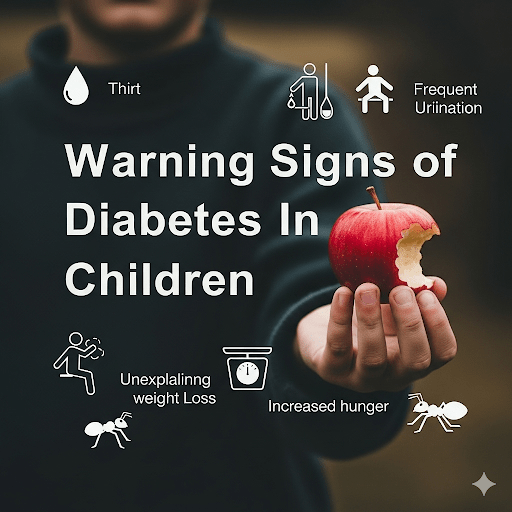
The most common signs of diabetes in children often present as a group. While one symptom alone might not seem like a red flag, a combination of these "Big Four" should prompt a call to your pediatrician immediately.
Increased Thirst (Polydipsia): Is your child suddenly and constantly thirsty, no matter how much they drink? Are they waking up in the middle of the night to get a drink? This is one of the most classic signs, as the body tries to dilute the high sugar in the bloodstream.
Frequent Urination (Polyuria): High blood sugar pulls fluid from the tissues, causing the kidneys to work overtime to filter it out. This results in more frequent trips to the bathroom. You might notice bedwetting in a child who was previously potty trained, or they may need to use the bathroom more often during the day.
Extreme Hunger (Polyphagia): Despite eating more, your child may seem constantly hungry. This is because their body's cells aren’t getting the glucose they need for energy, so the brain sends signals to eat more.
Unexplained Weight Loss: This is a major red flag. Despite a constant or increased appetite, your child may be losing weight. This is because their body is breaking down muscle and fat for energy since it cannot use glucose properly.
Warning Signs Of Diabetes In Children
Increased Thirst (Polydipsia).
Frequent Urination (Polyuria)
Extreme Hunger (Polyphagia):
Unexplained Weight Loss:
The Other, More Subtle Warning Signs Of Diabetes In Children To Watch For
Beyond the "Big Four," there are other signs that can indicate a problem. Paying attention to these can lead to an even earlier diagnosis.
Fatigue: Is your child unusually tired or lethargic? They may have a lack of energy for activities they normally love, as their body can't convert glucose into usable energy.
Blurry Vision: High blood sugar can pull fluid from the lenses of the eyes, affecting a child's ability to focus.
Fruity Breath Odor: In severe, undiagnosed cases, the body will start to burn fat for fuel, producing ketones. High levels of ketones can cause a sweet, fruity smell on your child's breath, similar to nail polish remover. This is a sign of a dangerous condition called diabetic ketoacidosis (DKA) and requires immediate medical attention.
A Relatable Example: Putting the Pieces Together
Consider a parent who notices their eight-year-old daughter is suddenly complaining of being tired after school and constantly asking for drinks. The parent initially assumes it's due to a growth spurt or the weather. Then, they start to notice her making more trips to the bathroom, even at night. On the scale, she has lost a few pounds despite a healthy appetite.
Individually, these symptoms seem minor. But when the parent steps back and sees them all together—the thirst, urination, fatigue, and weight loss—they realize something is wrong. This realization prompts them to call their doctor, leading to a quick diagnosis and the beginning of a management plan that prevents a medical emergency.
Concluding FAQ About Warning Signs Of Diabetes In Children
Q1: Can a child get diabetes suddenly?
The onset of Type 1 diabetes can be very rapid, sometimes occurring over just a few weeks or even days. Symptoms can quickly escalate, which is why recognizing them early is so important.
Q2: What is diabetic ketoacidosis (DKA)?
DKA is a serious, life-threatening complication of diabetes. It happens when the body doesn't have enough insulin to allow blood sugar into the cells for energy. The body then begins to burn fat for fuel, which produces ketones. High levels of ketones are toxic and can cause the blood to become dangerously acidic. DKA requires immediate emergency medical care.
Q3: Can a child outgrow diabetes?
Children with Type 1 diabetes cannot outgrow the condition. It is a lifelong, chronic autoimmune disease. However, with Type 2 diabetes, which is much less common in children, remission is possible with significant lifestyle changes, though it still requires lifelong management.
The Purple Powerhouse: Can Beetroot Help You Manage Diabetes?
Meta Description:
Can beetroot really help with diabetes? We explore the science behind this vibrant vegetable, its effects on blood sugar, and how to safely add it to your diet.
Table of Contents
The Purple Powerhouse: Can Beetroot Help You Manage Diabetes?
When you’re managing diabetes, every food choice feels like a big decision. You’ve likely heard about "superfoods" and are constantly on the lookout for natural ways to support your health. The vibrant, earthy beetroot has gained a reputation for its health benefits, but for someone with diabetes, the question remains: is it friend or foe? You might be concerned about its sugar content, or hopeful it could be a simple, delicious addition to your diet.
This blog post is here to clear up the confusion and empower you with the knowledge to make an informed decision. Our goal is to help you understand beetroot's unique properties and show you how it can fit into your diabetes management plan, transforming the way you see this beautiful vegetable.
The Nutritional Breakdown: What Makes Beetroot a Potential Ally
Beetroot is more than just a colorful root vegetable. It's packed with a variety of compounds that can be beneficial for people with diabetes, but it's important to understand the details. The core of its power lies in its unique nutritional profile.
The Glycemic Index Factor
A common concern about beetroot is its sugar content. While it does contain natural sugars, its glycemic index (GI) is considered moderate. The GI is a scale that ranks foods based on how they affect blood glucose levels. What makes beetroot a good choice is its high fiber content. Fiber helps slow down the digestion of carbohydrates, leading to a more gradual rise in blood sugar instead of a sudden spike.
The Power of Nitrates and Antioxidants
Beetroot is a fantastic source of nitrates, which your body converts into nitric oxide. This compound helps relax and widen blood vessels, which can lead to lower blood pressure. Since many people with diabetes also deal with high blood pressure, this is a significant benefit. Additionally, beetroot is rich in powerful antioxidants called betalains, which fight inflammation and oxidative stress—both of which are heightened in those with diabetes.
Practical Advice for Incorporating Beetroot
So, how can you enjoy beetroot safely and effectively? The key is moderation and preparation.
Start with Small Portions: You don't need a lot to reap the benefits. Add a few slices to a salad or a small amount of roasted beetroot to your meal.
Choose the Right Form: Raw or roasted beetroot is generally better than beetroot juice. Juicing removes much of the beneficial fiber, leaving a concentrated dose of sugar that can cause a quicker rise in blood sugar. If you do enjoy beetroot juice, consider a small portion and drink it with a meal to help blunt the blood sugar response.
Pair it Wisely: Combine beetroot with sources of lean protein and healthy fats. This combination will further slow down glucose absorption and keep you feeling full and satisfied. A great example would be a salad with roasted beetroot, grilled chicken, and a sprinkle of nuts.
A Relatable Example: A New Food, A New Way to Manage
Imagine you're like Sarah, a busy person who loves to experiment in the kitchen but is a little nervous about how new foods might affect her blood sugar. She reads about the benefits of beetroot but is hesitant to try it. Instead of drinking a glass of juice, she decides to try roasting a few chunks of beetroot and adding them to a mixed green salad with some chicken breast and a light vinaigrette.
She checks her blood sugar two hours after her meal and finds that it’s right within her target range. This positive experience gives her the confidence to try other new, healthy foods and realize that with the right knowledge, she can expand her diet while keeping her glucose levels in check.
Concluding FAQ
Q1: Will eating beetroot raise my blood sugar?
Beetroot does contain natural sugars, so it will have some effect on your blood sugar. However, its moderate glycemic index and high fiber content mean it's unlikely to cause a rapid spike, especially when eaten in moderation and as part of a balanced meal.
Q2: Is beetroot juice safe for people with diabetes?
Beetroot juice is a concentrated source of sugar without the fiber that helps regulate blood sugar. While it has benefits like lowering blood pressure, it should be consumed sparingly and ideally with food to help mitigate a blood sugar spike.
Q3: Can beetroot replace my diabetes medication?
Absolutely not. Beetroot is a food, not a medicine. It can be a helpful addition to a healthy diet and lifestyle, but it is not a cure for diabetes and should never be used as a substitute for prescribed medication or medical advice from your healthcare provider.
Meta Description: Discover the incredible power of leafy greens for your health as a diabetic! Learn about their vital nutrients, how to cook them to preserve goodness, and why they're a must-have for a vibrant life.
This post takes a deep dive into the incredible health benefits of leafy greens, from their vitamin and mineral content to their role as natural deodorizers. But did you know these vibrant vegetables are also a secret weapon in managing diabetes? Let's dive into how their unique properties can help you take control of your health.
Green Goodness: Why Leafy Greens are Your Superpower!🌿
Leafy greens are an excellent food choice for people with diabetes or those at risk of developing it. The key reasons for this lie in their low caloric value and incredibly low glycemic index.
Low Caloric Value: Leafy greens are naturally very low in calories, which makes them a great tool for weight management. Maintaining a healthy weight is a critical factor in managing and preventing type 2 diabetes. You can eat large quantities of leafy greens to feel full without consuming excess calories.
Low Glycemic Index (GI): The glycemic index is a system that ranks carbohydrate-containing foods based on how quickly they raise blood sugar levels. Foods with a low GI are digested more slowly, leading to a gradual and more stable rise in blood glucose. Leafy green vegetables have an extremely low GI. This is because they contain minimal carbohydrates, and the carbohydrates they do have are primarily fiber, which slows down sugar absorption. This helps prevent the sharp spikes in blood sugar that can be dangerous for individuals with diabetes.
Incorporating leafy greens into your diet helps improve insulin sensitivity, which is how well your body's cells respond to insulin, the hormone that regulates blood sugar.
Regular consumption of these greens can help manage blood sugar levels, reduce the risk of diabetes complications, and contribute to overall metabolic health. They are a smart and delicious way to fill your plate without worrying about blood sugar spikes.
Licensed by Google
The Secret to Feeling Amazing, Hiding in Plain Sight!
Have you ever looked at a plate of spinach or a bunch of kale and wondered, "Is this really good for me?" The answer is a resounding yes! 🥬 We all want more energy, a stronger body, and a clear mind, but sometimes it feels like a mystery how to get there. The truth is, the key to unlocking a healthier you might just be found in the incredible world of leafy green vegetables. Think of them as nature's little powerhouses, packed with the nutrients our bodies crave.
The Nutritional Power of Leafy Greens: Your Body's Best Friend
Leafy greens are champions of nutrition, offering a wide array of vitamins, minerals, and other compounds that are essential for human health. They are often low in calories but high in everything else that matters. Here's a look at their key nutrients and what they do for us:
Leafy greens are packed with Vitamins:
Vitamin A, which is crucial for good vision and a healthy immune system.
They're also loaded with Vitamin C, a powerful antioxidant that protects our cells from injury.
and Vitamin K, which is vital for blood clotting and bone health.
B-vitamins, including folate (B9), which is crucial for cell growth and DNA formation. Some greens also contain smaller amounts of Vitamin B6, B2 (riboflavin), B1 (thiamine), and B5 (pantothenic acid). Folate is especially important for pregnant women to prevent certain birth defects. Other B-vitamins like thiamin (B1), riboflavin (B2), and B6 also play a role in converting food into energy and maintaining a healthy nervous system.
Vitamin E: This fat-soluble vitamin acts as a powerful antioxidant, protecting your cells from damage caused by harmful free radicals. It also plays a role in boosting your immune system and maintaining the health of your eyes and skin. Leafy greens like spinach, beet greens, and Swiss chard are good sources of Vitamin E.
Leafy green vegetables are also an incredible source of minerals. The minerals in leafy green vegetables are vital for keeping our bodies running smoothly. While the exact amounts can vary between different types of greens, here is a complete list of the most common minerals you'll find and why they're so important.
You need leafy greens to get the minerals your body needs for good function Here are key minerals in leafy, green vegetables and their purposes:
Calcium 🦴: Most people think of dairy for calcium, but leafy greens like kale and spinach are excellent sources. This mineral is the building block for strong bones and teeth. Calcium also plays a critical role in muscle function, nerve signaling, and blood clotting.
Iron 💪: Iron is a superstar mineral that helps our red blood cells carry oxygen from our lungs to the rest of our bodies. Without enough iron, we can feel tired and weak. The iron in leafy greens is a type called non-heme iron, which is best absorbed when eaten with a source of Vitamin C.
Potassium ❤️: This is an essential electrolyte that helps regulate blood pressure and fluid balance in the body. It also works with sodium to maintain the electrical signals needed for proper heart and nerve function.
Magnesium 🧠: A true multitasker, magnesium is involved in over 300 biochemical reactions in the body. It's crucial for muscle and nerve function, blood sugar control, and maintaining a healthy immune system. It also helps in energy production and is vital for bone health.
Manganese ✨: This trace mineral is essential for a healthy metabolism and is a key component of an antioxidant enzyme that helps protect your cells from damage. It also plays a role in bone formation and wound healing.
Phosphorus 🔋: Working closely with calcium, phosphorus is another critical component for building strong bones and teeth. It's also involved in how your body uses carbohydrates and fats for energy and helps to produce proteins.
Zinc 🛡️: An important player in our immune system, zinc is necessary for fighting off infections. It also aids in wound healing and is vital for cell division and growth, particularly during childhood and pregnancy.
Copper 🩸: This mineral helps the body form red blood cells and keeps nerves and the immune system healthy. It also assists in the absorption of iron.
Fiber in leafy, green vegetables Leafy green vegetables are an excellent source of dietary fiber, a crucial component for a healthy digestive system. Fiber is the part of plant foods that our bodies cannot digest or absorb. This indigestible quality is precisely why fiber is so beneficial. Fiber adds bulk to your stool, which helps to keep your bowel movements regular and prevents constipation. Think of it as a natural broom, sweeping waste through your digestive tract.
Beyond its role in digestion, fiber also contributes to feelings of fullness, which can aid in weight management. It helps to slow down the absorption of sugar, which can lead to more stable blood sugar levels.
Furthermore, certain types of fiber found in leafy greens act as a prebiotic, feeding the beneficial bacteria in your gut. A healthy gut microbiome is linked to a stronger immune system and even improved mood. Therefore, the fiber in leafy greens does far more than just keep you regular; it supports your gut health, helps manage blood sugar, and can assist with weight control.
Antioxidants in leafy, green vegetables: Leafy green vegetables are excellent sources of antioxidants, which are compounds that protect the body's cells from damage caused by harmful molecules called free radicals. Free radicals are a normal byproduct of metabolism but can also be generated by environmental factors like pollution and UV radiation. When free radicals accumulate, they can lead to a state known as oxidative stress, which is linked to a variety of chronic diseases, including heart disease and certain cancers.
Leafy greens contain a diverse array of antioxidants, such as beta-carotene (which the body converts to Vitamin A), lutein, zeaxanthin, and quercetin. Lutein and zeaxanthin are particularly beneficial for eye health, as they accumulate in the retina and help filter out harmful blue light. Quercetin, a type of flavonoid, has been studied for its potential anti-inflammatory properties.
By neutralizing free radicals, the antioxidants in leafy greens play a crucial role in maintaining cellular health and supporting overall well-being. Adding more leafy greens to your diet can help you tackle common pain points like fatigue and digestive issues. The nutrients they contain can boost your energy levels, improve your skin's glow, and even enhance your mental clarity. Think of the transformation: you'll move from feeling sluggish and tired to feeling vibrant and energized!
20 Popular Green Leafy Vegetables
There is a whole world of green leafy vegetables to explore! Here are 20 well-known varieties you can easily find at your local market:
Spinach
Kale
Arugula
Romaine Lettuce
Swiss Chard
Collard Greens
Bok Choy
Cabbage
Watercress
Mustard Greens
Turnip Greens
Beet Greens
Dandelion Greens
Endive
Escarole
Radicchio
Butter Lettuce
Cos Lettuce
Mizuna
Leaves of dasheen, sweet potato, pumpkin and other root vegetables.
Cook Smart, Eat Healthy: How to Prepare Your Greens
When preparing green leafy vegetables, the goal is to keep as many nutrients as possible. Unfortunately, some cooking methods, like boiling, can cause water-soluble vitamins (like Vitamin C and B vitamins) to leach out. But don't worry, there are easy ways to prevent this!
Steaming: This is a fantastic method! Steaming your greens for a short time preserves their color, texture, and most importantly, their nutrients. A quick steam (just 2-3 minutes) is all you need.
Sautéing: Lightly sautéing your greens in a little olive oil or garlic is another great option. The fat from the oil can actually help your body absorb fat-soluble vitamins (like Vitamins A and K).
Blanching and Shocking: For a crisp texture, quickly boil the greens for a minute or two, then immediately plunge them into an ice bath. This stops the cooking process and keeps the vibrant color and nutrients locked in.
Raw: Don't forget to enjoy them raw in salads or smoothies! This is the best way to get all the vitamins without any loss from cooking. Just make sure to wash them thoroughly.
Role of Leafy Greens In deodorizing The Body
Leafy green vegetables can help reduce body odor through a few key mechanisms, primarily related to their high content of chlorophyll and their benefits for gut health. While the deodorizing effect isn't as simple as eating a salad and instantly smelling better, incorporating these greens into your diet can support your body's natural processes for managing odor from the inside out.
The Role of Chlorophyll 🌱
Chlorophyll, the pigment that gives plants their vibrant green color, is often referred to as a "natural deodorizer." This is because it's believed to have the ability to neutralize certain odor-causing compounds in the body. While the scientific evidence is limited and some older studies from the 1950s have been questioned, the idea is that chlorophyll, and its more easily absorbed derivative chlorophyllin, can bind to and eliminate certain smelly substances from the body before they are released through sweat or breath.
Leafy Greens Support a Healthy Gut 🦠
The way your body digests food and the health of your gut microbiome play a significant role in body odor. A healthy gut helps process food efficiently, preventing the buildup of toxins and smelly compounds. Leafy greens are rich in fiber, which is essential for a healthy digestive system.
Leafy Greens And Detoxification:
The fiber in leafy greens helps your body's natural detoxification process by promoting regular bowel movements. This ensures that waste and odor-causing compounds are eliminated from your body more quickly, rather than being reabsorbed and released through your pores.
Role of Leafy Greens In Balancing Gut Bacteria:
A diet rich in fiber from leafy greens can help support a balanced and healthy gut microbiome. An imbalance of gut bacteria can sometimes contribute to the production of odor-causing compounds. By supporting a healthy digestive system, leafy greens indirectly help prevent the internal conditions that can lead to unpleasant body odor.
In summary, the deodorizing effect of leafy greens is primarily attributed to their chlorophyll content and their positive impact on gut health. While not a quick fix, consistently eating these nutrient-dense vegetables can contribute to a healthier internal environment, which in turn helps manage body odor.
Frequently Asked Questions (FAQ) About Leafy Greens
Q: Do I lose nutrients if I freeze leafy greens? A: Freezing leafy greens can help preserve their nutrients, especially if you blanch them first. This process deactivates enzymes that cause nutrient breakdown. Frozen greens are a great option for smoothies and soups.
Q: What is the best leafy green for weight loss? A: All leafy greens are great for weight loss because they are low in calories and high in fiber, which helps you feel full. Kale, spinach, and Swiss chard are particularly popular for their nutrient density.
Q: Can I eat too many leafy greens? A: For most people, it's very difficult to eat too many leafy greens. However, if you are on blood thinners, you should consult your doctor about your Vitamin K intake, as it can interfere with some medications.
Q: What's the difference between kale and spinach? A: While both are nutritional powerhouses, kale has a tougher texture and a more bitter taste when raw. Spinach is more tender and has a milder flavor, making it a great choice for salads and smoothies.
Don't Lose Your Feet! The Ultimate Guide to Diabetic Foot Care at Home
Meta description
Read this post to discover simple, daily routine that could save your feet and keep you walking with confidence for years to come.
Introduction
Did you know that a small crack in your foot could lead to a major health crisis? If you have diabetes, your feet are your early warning system. But it's so easy to miss the signs.
In this post, I’m going to show you the simple, daily routine that could save your feet and keep you walking with confidence for years to come. Let's start with the one thing you should be doing every single day.
The Ultimate Guide to Diabetic Foot Care
Living with diabetes is a journey, and managing your health is a daily commitment. While we often focus on blood sugar, diet, and exercise, there's one area that is often overlooked but is absolutely critical to your long-term well-being and independence: your feet. Your feet are a remarkable part of your body; they are your foundation, supporting you through every step of life. For someone with diabetes, they are also a crucial early warning system.
By taking a few simple, proactive steps each day, you can protect your feet, prevent serious complications, and ensure you can walk, run, and live vibrantly for years to come. This guide will walk you through the essential habits that make foot care simple and effective.
Why Daily Foot Inspections Are Non-Negotiable
For many people with diabetes, a condition called neuropathy, or nerve damage, can develop over time. This can cause you to lose feeling in your feet, meaning a small cut, blister, or ingrown toenail might go unnoticed. What a healthy person would feel as a sharp pain or a minor annoyance can become a full-blown infection for someone with diabetes, often without any warning.
Additionally, diabetes can affect your circulation, slowing down blood flow to your feet and making it harder for wounds to heal. These two factors—reduced sensation and impaired healing—create a perfect storm for complications.
That’s why a daily foot inspection is the single most important habit you can adopt. Think of it as a daily check-in with your feet. So, what exactly should you be looking for?
Changes in Skin: Look for any new patches of redness, swelling, or heat, as these can be signs of inflammation or infection. Check for cracks, especially around the heels, or any dry, scaly skin.
Cuts, Blisters, or Sores: Carefully examine the top, bottom, and sides of your feet. Pay close attention to the areas between your toes, as this is where blisters often form and go unnoticed. Use a hand mirror to inspect the soles of your feet or ask a family member for help.
Toenails and Calluses: Look for ingrown toenails or any signs of fungal infections, such as a yellow or thick toenail. Examine any calluses for hardened spots or discoloration, which can indicate excessive pressure.
Temperature: Gently feel the temperature of your feet. Are they consistently colder than the rest of your body? Are there any spots that feel unusually warm? This can be a clue about circulation or inflammation.
Unusual Swelling: Check for swelling in your ankles or feet. This could be a sign of fluid buildup or other issues.
Making this a habit can be as simple as doing it while you're putting on your pajamas at night or when you get out of the shower. Just a minute or two is all it takes to catch a problem before it starts.
The Best Way to Wash and Dry Your Feet
Washing your feet is a basic hygiene step, but when you have diabetes, doing it correctly is crucial for preventing infections. You want to make sure your feet are clean, but you also don’t want to damage your delicate skin.
Here's the right way to do it:
Use Lukewarm Water: Before you even step into the shower or bath, test the water temperature with your elbow or wrist. Because of neuropathy, your feet may not be able to accurately sense if the water is too hot, which could lead to a severe burn without you realizing it. The water should be comfortably warm, not hot.
Use a Mild Soap: A harsh soap can dry out your skin, leading to cracks. Opt for a mild, moisturizing soap that won't strip your skin of its natural oils.
Avoid Soaking: While a long, warm soak might feel nice, it can actually make your skin too soft and vulnerable to injury. It can also dry out your skin over time. A quick, gentle wash is all you need.
Wash Gently: Use a soft washcloth or your hands to gently clean your feet, including the tops, soles, and ankles. Don’t scrub or use anything abrasive.
The most important step is drying your feet. Moisture is a breeding ground for bacteria and fungi, and the areas between your toes are especially prone to trapping water. After washing, use a soft towel to pat your feet completely dry.
Don't rub. Be incredibly thorough and make sure to gently dry between each toe. This simple act can prevent a fungal infection like athlete's foot from taking hold, which could lead to more serious complications.
How to Moisturize Correctly
Keeping your skin healthy and supple is a major part of your foot care routine. Dry, cracked skin is not just uncomfortable; it creates tiny openings that can allow bacteria to enter and cause an infection. Moisturizing is the solution, but there's a trick to doing it correctly.
After you have thoroughly dried your feet, apply a high-quality, non-greasy moisturizing lotion. You want a product that will hydrate your skin without leaving a sticky residue. Look for lotions specifically designed for people with diabetes or those with sensitive, dry skin.
Now, for the most important rule: moisturize the tops and bottoms of your feet, but NEVER between your toes.
Why? Just like with drying, if you apply lotion between your toes, it can trap moisture. This moist, warm environment is exactly what fungi need to thrive. Fungal infections can lead to itching, redness, and cracked skin, creating another pathway for bacteria to enter. By keeping the area between your toes dry, you're building a simple, effective defense against infection.
A good habit is to apply the lotion at the same time you do your daily foot inspection. This combines two critical steps into a single, seamless routine, making it easier to stick with.
The Simple Secret to Choosing the Right Footwear
You might think that finding the right shoes is just about comfort, but for people with diabetes, footwear is a critical medical device. The "simple secret" is to stop thinking of shoes as a fashion choice and start seeing them as a tool for protection. The wrong shoes—tight, ill-fitting, or with a seam in the wrong spot—can cause a blister or a sore that you may not feel until it's too late.
Here’s what to look for when choosing footwear:
Proper Fit is Everything: Your shoes should not be too tight or too loose. The toe box should be wide and deep enough that your toes can wiggle freely, without any rubbing or pinching. You should have about a half-inch of space between your longest toe and the tip of the shoe. Try shoes on at the end of the day when your feet are at their largest.
Seamless Interior: Run your hand inside the shoe to feel for any rough seams, bumps, or ridges that could cause irritation. Diabetic shoes are specifically designed with a smooth, seamless interior.
Supportive Soles: The soles of the shoe should be firm, supportive, and cushioned to absorb shock and reduce pressure on your feet.
The Right Socks: Wear well-fitting, seamless diabetic socks made from moisture-wicking materials (like certain synthetic blends or wool). Avoid socks with tight elastic at the top, which can restrict blood flow.
And perhaps the most crucial rule: never walk barefoot, not even in the house. A stray object on the floor could cause a cut or puncture that you may not feel, and the risk of infection is too high. Always wear shoes or protective slippers.
A Powerful Mindset Shift
It’s easy to look at this list and feel overwhelmed. It can feel like another chore in an already busy routine. But here’s the powerful mindset shift that can change everything: don’t see foot care as a chore; see it as an act of empowerment.
Your body is your vessel for this journey, and taking care of it is an investment in your future. Every time you inspect your feet, you’re not just looking for a problem; you’re being proactive, taking control of your health, and giving yourself the gift of long-term mobility. Think of it like a daily check-in with your car before a long road trip. It’s a simple act that prevents a breakdown.
By making it a habit, it will become as routine as brushing your teeth. It will feel less like a task and more like a natural part of your day. Start small. Pick one time each day that you will consistently perform your foot inspection. Once that’s a habit, add in the washing and moisturizing. The key is consistency, not perfection.
This isn’t about worrying. It’s about being aware and taking charge. It's about ensuring that your feet continue to carry you through life, allowing you to enjoy every moment with confidence and vitality.
Conclusion
Remember, taking care of your feet is an act of self-love. It's about protecting your mobility, your independence, and your future. So make this a daily habit—for you.
If you found this post helpful, please give it a thumbs up and share it with someone who needs to see this. And don't forget to subscribe for more practical tips on living a healthy, vibrant life with diabetes.
Thanks for reading, and I'll see you in the next post!"
Tame Your Type 2: The Essential Diabetes Chart for Better Blood Sugar Control
Meta Description:
Take control of your Type 2 diabetes! Learn how to use a practical diabetes chart to track blood sugar, understand readings, and make informed health decisions.
Introduction:
Living with Type 2 diabetes can sometimes feel like a balancing act. You're constantly juggling diet, exercise, medication, and appointments, all while trying to keep an eye on that elusive number: your blood sugar.
It's easy to feel overwhelmed, wondering if you're doing enough, or if those seemingly random fluctuations mean something serious. What if there was a simple, powerful tool that could help you make sense of it all, reduce anxiety, and put you firmly in the driver's seat of your health journey?
Enter the humble yet mighty diabetes chart. This isn't just about recording numbers; it's about gaining clarity, spotting trends, and empowering yourself to make informed decisions that lead to better health outcomes. This post will show you how to leverage a practical diabetes chart to transform your approach to managing Type 2 diabetes, turning confusion into confidence.
The Power of the Pattern: Why a Diabetes Chart is Your Best Ally
For many people with Type 2 diabetes, the biggest pain points include feeling lost in a sea of numbers, struggling to identify what truly impacts their blood sugar, and the fear of complications due to uncontrolled levels. You want to feel more in control, understand your body better, and ultimately, live a healthier, more vibrant life. A well-utilized diabetes chart can be your roadmap to achieving these goals.
Your desired transformation? To move from feeling reactive and confused about your blood sugar to being proactive, knowledgeable, and empowered. By consistently tracking your readings and other relevant information, you'll start to see patterns emerge that can be incredibly insightful. Is a certain food consistently spiking your sugar? Does a specific type of exercise consistently lower it? These are the questions a diabetes chart helps you answer, leading to a deeper understanding of your body and how it responds.
What to Include in Your Essential Diabetes Chart
A truly practical diabetes chart goes beyond just blood sugar readings. To get the most comprehensive picture, consider including these key elements:
Date and Time: Essential for tracking trends over time and correlating readings with specific events.
Blood Glucose Reading: Your primary number! Record this consistently as recommended by your healthcare provider (e.g., fasting, before/after meals, before bed).
Meal/Food Intake: Briefly note what you ate for each meal leading up to the reading. This is crucial for identifying dietary impacts. You might even consider noting carbohydrate counts if you're tracking them.
Medication & Dosage: If you take oral medications or insulin, record the type and dose taken, along with the time.
Activity/Exercise: Jot down any physical activity, its duration, and intensity (e.g., "30 min brisk walk," "1 hour yoga").
Notes/Symptoms: This is your personal space for anything else relevant. Did you feel stressed? Were you sick? Did you experience any symptoms like fatigue or blurred vision? This qualitative data can provide valuable context.
Stress Levels: A quick rating (e.g., 1-5 or low/medium/high) can help you see the often-overlooked link between stress and blood sugar.
Sleep Quality: How well you slept can impact your readings. A simple "good," "fair," or "poor" can be insightful.
Practical Advice for Charting Success
Consistency is Key: The more regularly you fill out your chart, the more accurate and useful the data will be. Aim for the same times each day for blood sugar readings, as advised by your doctor.
Choose Your Method:
Pen and Paper: Simple and accessible. You can print free templates online or use a dedicated logbook.
Smartphone Apps: Many excellent apps (e.g., MyFitnessPal, Glucose Buddy, Dexcom G6 app if using CGM) allow for easy data entry, trend analysis, and even sharing with your healthcare team.
Spreadsheet: For the tech-savvy, a basic Excel or Google Sheet can be customized to your needs, allowing for easy sorting and graphing.
Review Regularly: Don't just record; analyze! Take time each week or before appointments to look for patterns.
Are your morning fasting sugars consistently high?
Do certain meals lead to predictable spikes?
Does exercise consistently lower your readings?
Share with Your Healthcare Team: Your diabetes chart is an invaluable tool for your doctor, dietitian, or diabetes educator. It provides a detailed, real-world snapshot of your blood sugar control, allowing them to make more informed adjustments to your treatment plan.
Relatable Scenarios: How a Chart Makes a Difference
Imagine Sarah, who felt frustrated by seemingly random high blood sugar readings in the mornings. By diligently using her diabetes chart, she noticed a consistent pattern: on evenings when she ate a large, carb-heavy dinner late, her fasting sugars were elevated. With this insight, she started experimenting with smaller, earlier dinners with balanced macronutrients, and saw a significant improvement in her morning readings.
Or consider Mark, who thought his exercise routine wasn't making much difference. After charting his blood sugar before and after his walks, he discovered that a 30-minute brisk walk consistently lowered his sugar by 20-30 mg/dL, especially after meals. This motivated him to be more consistent with his walks, knowing the direct positive impact.
These are the kinds of empowering discoveries you can make by actively engaging with your own diabetes chart. It shifts you from a passive recipient of medical advice to an active participant in your health management.
Concluding FAQ Section
Q1: How often should I check my blood sugar and record it on the chart?
A1: The frequency of blood sugar monitoring depends on your individual treatment plan and your healthcare provider's recommendations. Common times include fasting (before breakfast), before and two hours after meals, and at bedtime. Always follow your doctor's specific guidance.
Q2: What if my blood sugar readings are consistently high or low?
A2: If you notice consistent high or low readings, or significant fluctuations, it's crucial to contact your healthcare provider. Your diabetes chart will be an invaluable tool to discuss these trends with them, allowing for potential adjustments to your medication, diet, or exercise plan. Do not make changes to your medication without consulting your doctor.
Q3: Can a diabetes chart replace regular doctor's appointments?
A3: Absolutely not. A diabetes chart is a powerful tool to assist in your self-management and provide data for your healthcare team, but it does not replace the professional guidance, examinations, and laboratory tests provided by your doctor. Regular appointments are essential for comprehensive diabetes care.
Q4: Are there specific apps or templates you recommend for a diabetes chart?
A4: Many excellent options exist! For apps, consider "MyFitnessPal" for food tracking alongside "Glucose Buddy" or "OneTouch Reveal" (if you use their meter) for blood sugar. For printable templates, a quick search for "free printable diabetes logbook" will yield many options. The best choice depends on your personal preference for digital versus paper tracking.
Sample Diabetes Chart
Here's a sample diabetes chart that you can adjust based on the frequency of blood glucose checks advised by your healthcare provider.